
Bali’s cultural allure extends far beyond its scenic rice terraces and pristine beaches. Among its most captivating treasures lies the exquisite craft of Balinese Silversmithing, a tradition that embodies centuries of artistry, spirituality, and meticulous technique. For discerning buyers seeking authentic silver pieces, understanding this craft is essential to appreciating the rich heritage and unparalleled quality behind each item. Whether you are visiting the iconic Monkey Forest Ubud or exploring artisan workshops, this guide will illuminate how to shop for genuine Balinese silver with confidence and delight.
The Essence of Balinese Silversmithing
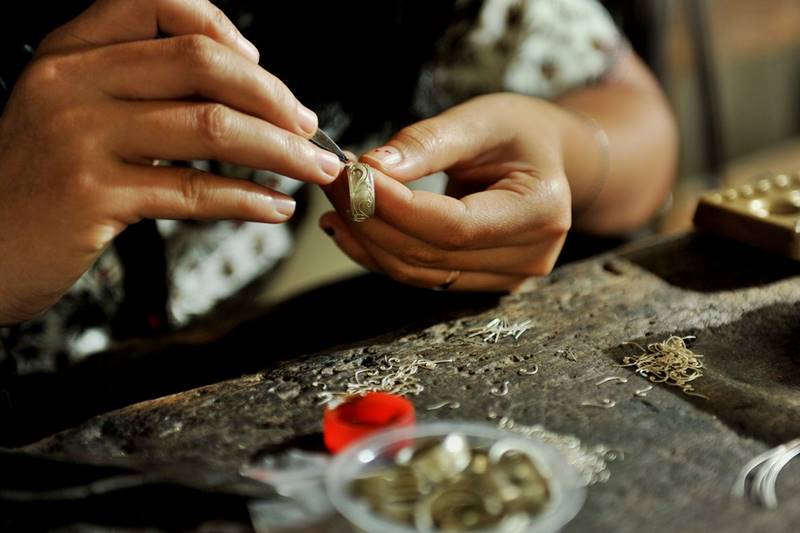
Balinese Silversmithing is not merely about shaping metal; it’s an art form deeply woven into the island’s cultural and spiritual fabric. Passed down through generations, this craft combines intricate handwork with symbolic motifs inspired by Hinduism, nature, and Balinese mythology. Silver artisans in Bali transform raw silver into breathtaking jewelry and decorative objects, often featuring floral patterns, mythical creatures, and geometric designs that reflect cosmic harmony.
The process itself is painstaking and precise. Artisans begin with pure silver or sterling silver sheets and wire, carefully melting, hammering, and engraving to breathe life into each piece. Unlike mass-produced trinkets, authentic Balinese silver showcases the silversmith’s skill, patience, and artistic vision, resulting in items that are truly unique.
Why Authenticity Matters
In a market flooded with souvenirs, discerning buyers must prioritize authenticity to avoid replicas or low-quality imitations. Genuine Balinese silver carries specific hallmarks of craftsmanship: flawless filigree work, delicate granulation, and symmetrical patterns that cannot be duplicated by machines. Pieces made through traditional silversmithing methods often exhibit slight variations that attest to their handcrafted origins, adding to their charm and value.
Purchasing authentic silver supports the artisans and their communities, preserving this treasured heritage. Moreover, genuine silver holds intrinsic value as a precious metal, ensuring your investment remains timeless and cherished.
Where to Find Authentic Balinese Silver
The artistic hub of Ubud, particularly near the Monkey Forest Ubud, is the premier destination for sourcing authentic Balinese silver. The surrounding area teems with artisan workshops, galleries, and boutiques where silversmiths work openly, allowing buyers an intimate glimpse into the creative process.
Many studios in Ubud also offer a Silver Class in Ubud, providing a unique chance to engage directly with the craft. Participating in a class enables you to appreciate the immense skill involved in silversmithing and often helps buyers make informed choices by understanding the techniques firsthand. This experiential approach turns shopping into an immersive cultural journey.
What to Look for When Buying Balinese Silver
1. Material Quality
High-grade silver used in Balinese pieces is typically sterling silver (92.5% silver content). Confirming this is essential. Authentic shops usually provide certificates or stamps indicating the silver’s purity.
2. Craftsmanship Detail
Examine the intricacy of the designs. Authentic pieces showcase meticulous hand-engraving, refined filigree, and delicate granulation. The patterns should be symmetrical, and solder joints smooth.
3. Weight and Feel
Genuine silver has a noticeable weight and a cool, smooth texture. Lightweight or rough-feeling items may indicate inferior materials or poor craftsmanship.
4. Origin and Reputation
Purchase from reputable workshops or galleries in Ubud. Ask about the artisan’s background, workshop location, and the silver’s sourcing to ensure authenticity.
Understanding the Cultural Symbols in Balinese Silver
Balinese artisans infuse symbolism into their silver creations, making each piece a narrative rather than just an accessory. Common motifs include:
- Floral Patterns: Representing growth, beauty, and harmony with nature.
- Mythical Creatures: Such as dragons and Garuda, symbolizing protection and power.
- Geometric Patterns: Reflecting balance, cosmic order, and spiritual connection.
These symbols are not random decorations but deliberate artistic choices conveying cultural stories and spiritual meanings. Owning a piece is like wearing a fragment of Bali’s rich mythology.
The Magic of a Silver Class in Ubud
Joining a Silver Class in Ubud is an unparalleled way to deepen your appreciation for Balinese silversmithing. These workshops are hosted by skilled artisans eager to share their craft. During the class, you will engage in various steps such as:
- Designing your own piece or selecting traditional motifs.
- Learning basic metalworking techniques, including cutting, shaping, and soldering.
- Polishing and finishing touches that give silver its radiant shine.
This hands-on experience transforms your understanding of silver jewelry from passive admiration to active creation. It also empowers you to distinguish between authentic artisan work and factory-made imitations when shopping later.
Tips for Buying Silver in Ubud
- Take Your Time: Explore several workshops to compare quality and design.
- Negotiate Respectfully: While prices can vary, bargaining is part of the culture. Approach it with a friendly attitude.
- Ask for Certification: Authentic studios will provide proof of silver purity and artisan credentials.
- Inspect the Item Closely: Use a magnifying glass if possible to scrutinize details.
- Consider Custom Orders: Many workshops offer bespoke designs tailored to your preferences.
Caring for Your Balinese Silver
Once you bring home your treasure, proper care ensures its longevity. Silver is prone to tarnishing but can be preserved by storing it in anti-tarnish pouches and avoiding exposure to moisture and chemicals. Gentle cleaning with a soft cloth and occasional polishing keeps your jewelry luminous.
Conclusion: More Than Just Jewelry
Shopping for authentic Balinese silver is an enriching endeavor that transcends mere acquisition. It is an entry into a vibrant artistic tradition, a connection to Balinese culture, and a celebration of meticulous craftsmanship. Whether you wander the streets near Monkey Forest Ubud or participate in a Silver Class in Ubud, each silver piece you find or create carries a story of heritage, artistry, and passion.
Choosing authentic Balinese silver means embracing a timeless treasure that adorns not just your body but also your experience and memories of Bali’s enchanting culture.
About the Author


