Introduction & Background
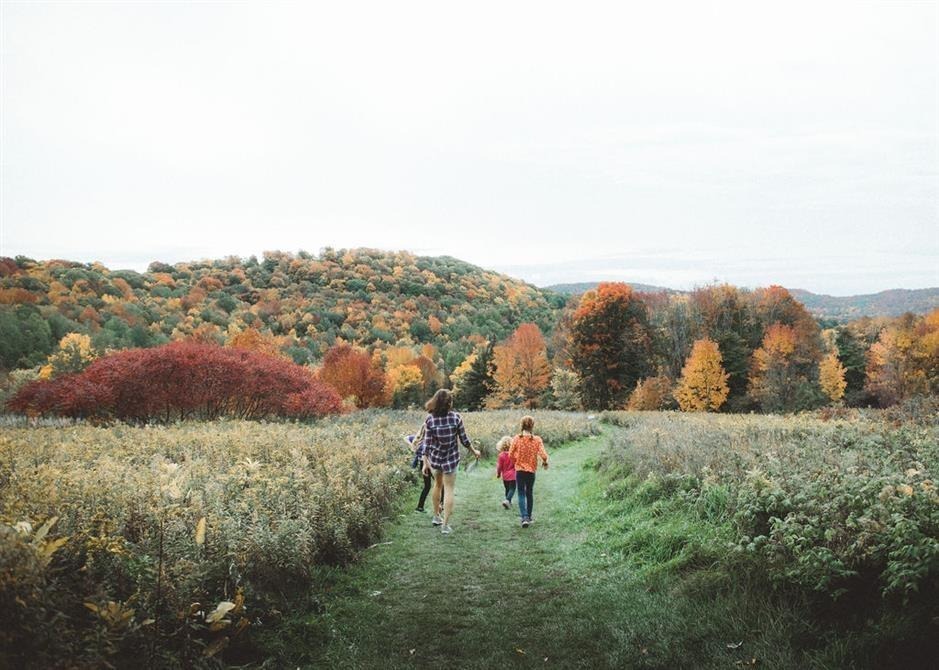
There is a quiet magic in the art of wandering without a map. It is a practice that invites spontaneity, curiosity, and connection with the world in its most unfiltered form. Unlike planned travel, where every destination is premeditated and every route carefully calculated, wandering without a map is about surrendering to the rhythm of the unknown. It is an invitation to slow down, to notice the small details that often go unnoticed, and to embrace the unexpected encounters that shape unforgettable experiences. The significance of this practice lies not just in the destinations reached, but in the journey itself and the person one becomes along the way.
This art form has roots in ancient traditions, from the wandering monks of medieval times to the flâneurs of 19th-century Paris. These were not aimless drifters, but rather individuals who understood the value of wandering as a means of self-discovery and cultural immersion. In today’s fast-paced world, where itineraries are meticulously crafted and every moment is optimized for productivity, the art of wandering without a map offers a refreshing antidote. It reminds us that sometimes, the most meaningful experiences come not from following a predefined path, but from allowing life to unfold naturally.
Concept & Overview
The art of wandering without a map is more than just a lack of planning. It is a mindset, a philosophy that prioritizes presence over planning, discovery over destination, and serendipity over certainty. At its core, it is about embracing uncertainty as a source of possibility rather than anxiety. This concept thrives on the belief that the best experiences often happen when we least expect them and that the journey is just as important as the arrival.
Wandering without a map does not mean abandoning all sense of direction. Instead, it is about trusting one’s instincts and remaining open to new possibilities. It involves observing the environment, engaging with locals, and being willing to deviate from the original plan when something more interesting presents itself. This approach fosters a deeper connection to the places visited and the people encountered, as it allows for authentic interactions that would never occur within the confines of a rigid itinerary.
Key Features & Highlights
- Spontaneity: The hallmark of wandering without a map is the ability to change course at a moment’s notice. Whether it is a sudden detour to a charming village or an impromptu conversation with a stranger, spontaneity is the driving force behind memorable experiences.
- Mindful Presence: Wandering encourages being fully present in the moment. Without the distraction of a map or schedule, the wanderer is free to notice the subtle beauty of their surroundings, from the architecture of a building to the scent of spices in a local market.
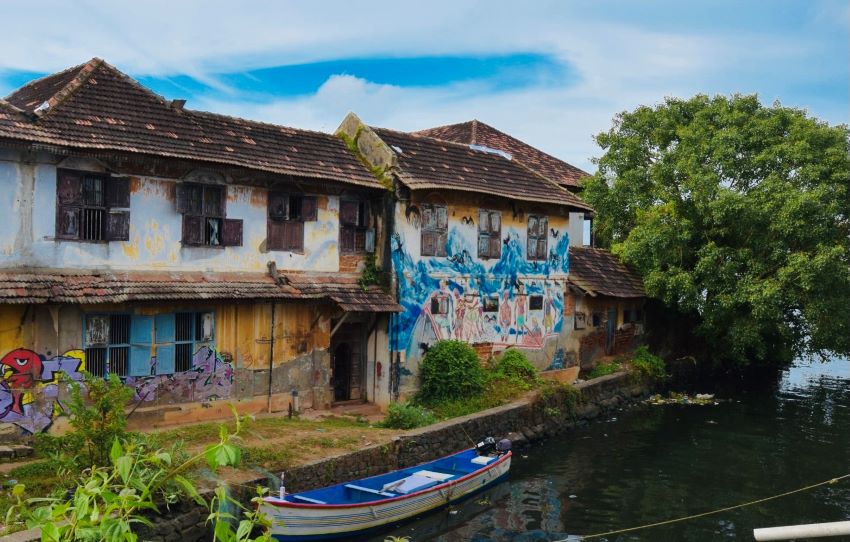
- Cultural Immersion: By avoiding pre-planned routes, wanderers often find themselves in places that are off the tourist trail. This leads to authentic cultural exchanges, where traditions, foods, and languages are experienced in their rawest forms.
- Personal Growth: Wandering without a map is a journey of self-discovery. It challenges individuals to step outside their comfort zones, adapt to new situations, and cultivate resilience. Each unexpected turn becomes an opportunity for learning and growth.
- Serendipitous Encounters: Some of the most profound experiences come from unplanned meetings. A chance conversation with a local artist, a shared meal with fellow travelers, or a spontaneous invitation to a community event can leave lasting impressions that no guidebook could ever predict.
Frequently Asked Questions / Pros & Cons
Is wandering without a map safe?
Safety is a valid concern, especially when traveling alone or in unfamiliar territories. The key is to balance spontaneity with practical precautions. Researching general safety tips for the region you are visiting, staying aware of your surroundings, and having a basic understanding of local customs can mitigate risks. It is also wise to share your general whereabouts with someone you trust and to avoid venturing into areas that are known to be unsafe after dark.
What if I get lost?
Getting lost is often part of the adventure. It can lead to unexpected discoveries and stories that become cherished memories. However, it is important to prepare yourself mentally for such moments. Carrying a basic map or having a charged phone with offline maps can provide a safety net. The goal is not to avoid getting lost entirely, but to embrace the experience knowing that you can always find your way back.
How do I start wandering without a map?
Begin by choosing a destination that is relatively easy to navigate, such as a small town or a neighborhood within a city. Leave your itinerary open-ended and allow yourself to explore without a fixed route. Start with short walks or day trips to build confidence in your ability to adapt and make decisions on the fly. Over time, you will develop a sense of intuition that guides your choices.
What are the disadvantages of wandering without a map?
While the benefits are numerous, there are potential drawbacks. Without a plan, you might miss out on visiting iconic landmarks or attractions that require timed entry or advance booking. There is also the possibility of overspending if you are not mindful of your budget. Additionally, some travelers may feel anxious about the lack of structure, which can detract from the enjoyment of the experience. These challenges can be managed with a balanced approach that combines spontaneity with a loose framework.
Practical Guidance & Solutions
If you are new to the art of wandering without a map, start small and gradually build your confidence. Begin with a half-day exploration in a familiar area, such as your own city or a nearby town. Leave your phone at home or keep it on airplane mode to resist the temptation of checking maps or planning ahead. Instead, focus on observing your surroundings, striking up conversations with locals, and allowing your curiosity to guide you.
When traveling to a new destination, research the basics beforehand. Familiarize yourself with the local currency, language phrases, and public transportation options. This preparation ensures that you can navigate the area safely without relying on a detailed itinerary. Once you arrive, resist the urge to plan every moment. Instead, set aside time each day to simply wander, with no agenda other than to see where the day takes you.
It is also helpful to carry a few essentials that support spontaneous exploration. A reusable water bottle, comfortable shoes, and a small backpack with a portable charger can make your wanderings more enjoyable. Consider keeping a travel journal to document your experiences, thoughts, and discoveries. This not only preserves memories but also deepens your connection to the journey.
For those who feel uneasy about wandering entirely without a plan, consider adopting a hybrid approach. Choose one or two key attractions to visit, but leave the rest of your time open for exploration. This way, you satisfy the desire for structure while still embracing the freedom of the unknown.
Conclusion
The art of wandering without a map is a celebration of life’s unpredictability. It is a reminder that the most extraordinary experiences often lie just beyond the well-trodden path, waiting to be discovered by those willing to embrace the unknown. In a world that often prioritizes efficiency and control, this practice offers a gentle rebellion, a way to reconnect with the joy of discovery and the beauty of the present moment.
Whether you are strolling through the cobbled streets of an old town, hiking along a hidden trail, or simply wandering the aisles of a local market, the magic lies in the willingness to let go of the map and trust the journey. So next time you find yourself in a new place, consider leaving the guidebook behind. Instead, set out with an open heart and an open mind, and let the art of wandering without a map lead you to the unexpected delights that await.
About the Author