Introduction & Background
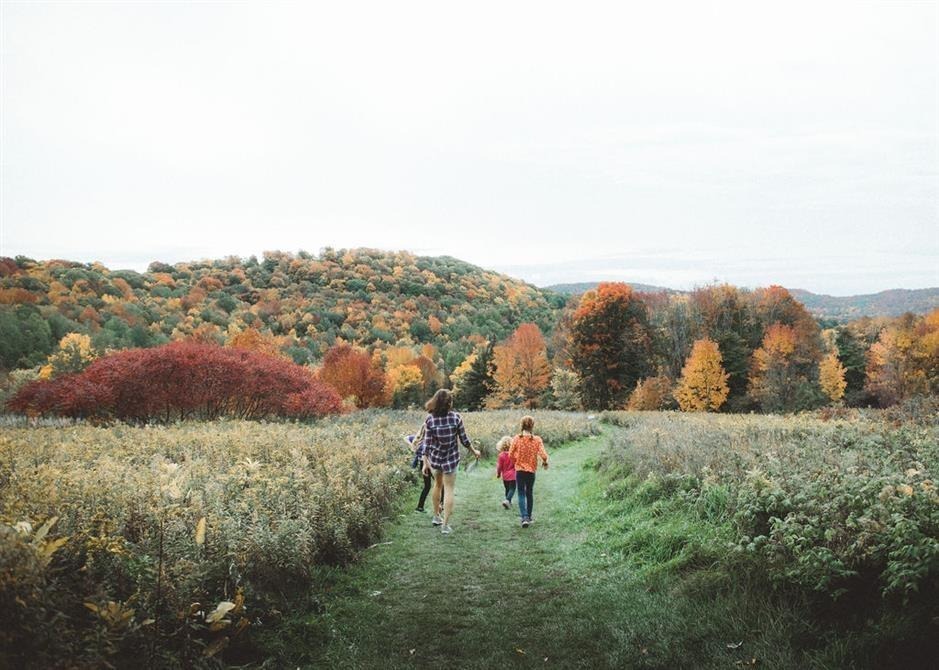
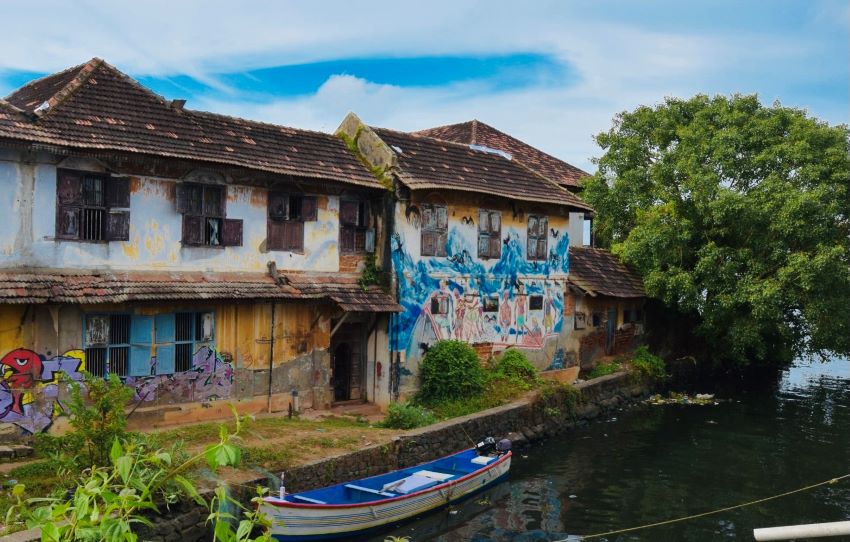
For centuries, humans have been drawn to the allure of the unknown, the thrill of discovering places that remain untouched by mass tourism. Wanderlust is more than just a desire to travel it is an insatiable curiosity about the world’s hidden corners. These enchanting hidden gems, often tucked away from the beaten path, offer experiences that resonate deeply with the soul. Whether it’s the serene beauty of a secluded beach, the charm of a forgotten village, or the breathtaking vistas of an unexplored mountain range, these places promise memories that last a lifetime. In a world where popular destinations often feel overcrowded and commercialized, seeking out these lesser-known treasures has become a pursuit for those who crave authenticity and wonder.
Concept & Overview
The concept of hidden gems revolves around places that are not typically featured in travel brochures or on social media feeds. These locations are often characterized by their untouched natural beauty, cultural richness, or historical significance. Unlike tourist hotspots, hidden gems tend to be more affordable, less crowded, and brimming with unique stories waiting to be uncovered. They are ideal for travelers who wish to immerse themselves in local traditions, savor unspoiled landscapes, and forge meaningful connections with people and places. The magic of these destinations lies in their ability to transform a simple journey into a transformative experience.
Key Features & Highlights
- Authentic Local Culture: Hidden gems offer a rare glimpse into the traditions, festivals, and daily lives of local communities, often untouched by globalization.
- Natural Wonders: From pristine beaches to lush forests and towering mountains, these places showcase nature in its purest form, free from exploitation.
- Historical Significance: Many hidden gems are home to ancient ruins, historic landmarks, or archaeological sites that provide insights into the past.
- Adventure Opportunities: Whether it’s hiking through remote trails, diving in crystal-clear waters, or exploring caves, these destinations cater to thrill-seekers.
- Sustainability: By visiting lesser-known locations, travelers often contribute to the local economy without overwhelming the ecosystem or cultural fabric.
- Unique Experiences: From staying in a traditional homestay to participating in a local artisan workshop, these places offer experiences that are impossible to replicate elsewhere.
Frequently Asked Questions / Pros & Cons
What defines a hidden gem in travel?
A hidden gem is a destination that remains relatively unexplored by mainstream tourism, often due to its remote location, lack of promotion, or accessibility challenges. These places are prized for their authenticity, tranquility, and unique appeal.
Are hidden gems safe to visit?
Safety varies depending on the location. While many hidden gems are perfectly safe, travelers should research local conditions, follow travel advisories, and prepare adequately. Consulting recent traveler reviews and local guides can provide valuable insights.
Do hidden gems cost more to visit?
Generally, hidden gems are more affordable than popular tourist destinations. With fewer crowds, prices for accommodation, food, and activities tend to be lower. However, some remote locations may require additional travel expenses.
How can travelers find hidden gems?
Research is key. Travelers can explore off-the-beaten-path blogs, consult local tourism websites, or connect with fellow travelers who share their passion for discovery. Social media platforms and travel forums are also great resources for uncovering these treasures.
Pros and Cons of Visiting Hidden Gems
- Pros:
- Less crowded, allowing for a more personal and immersive experience.
- Often more affordable than popular destinations.
- Greater opportunities to support local communities and sustainable tourism.
- Unique experiences that are not found in guidebooks.
- Cons:
- May require more planning and effort to reach.
- Limited infrastructure, such as fewer restaurants or transportation options.
- Potential language barriers or cultural differences in communication.
- Fewer amenities, which may not suit travelers who prefer luxury or convenience.
Practical Guidance & Solutions
To make the most of your journey to hidden gems, start by identifying your priorities. Are you seeking adventure, relaxation, or cultural immersion? Once you’ve pinpointed your interests, begin researching destinations that align with your goals. Reach out to locals or travel experts who can provide firsthand insights about the area. Plan your itinerary carefully, considering factors like travel time, accommodation options, and local customs.
Pack wisely, focusing on versatile clothing and essentials that cater to the climate and activities you’ll encounter. Learn a few phrases in the local language to enhance your interactions and show respect for the culture. Be open to unexpected detours and spontaneous conversations, as these often lead to the most memorable experiences.
When visiting remote locations, prioritize safety by sharing your travel plans with someone you trust and staying connected through reliable communication tools. Embrace the slower pace of life in hidden gems, allowing yourself to fully absorb the beauty and tranquility of your surroundings. Support local businesses by purchasing handmade crafts, dining at family-owned eateries, and choosing eco-friendly tour operators.
Conclusion
The world is filled with hidden gems that beckon the intrepid traveler. These destinations offer more than just a break from routine they provide a chance to reconnect with the essence of travel itself. By venturing off the well-trodden path, we not only discover breathtaking landscapes and rich cultures but also nurture a deeper appreciation for the planet and its diverse inhabitants. So, pack your bags, leave the guidebooks behind, and let the wanderlust spirit guide you to the world’s most enchanting hidden gems. The journey is just as rewarding as the destination, and the memories you create will stay with you long after you return home.
About the Author