
I was mostly familiar with Kochi from its well-known sights before visiting. My list already included the shoreline, medieval churches, Chinese fishing nets, and Fort Kochi. However, I quickly learned that Kochi’s historic streets and ancient ties to the spice trade offered an entirely new perspective.
As I strolled throughout the city, the aroma of cardamom, pepper, cloves, and other spices became a part of my experience. I came to understand how Kochi’s history still shapes daily life by exploring heritage areas, visiting traditional markets, and observing historic structures. I originally picked one of the hotels in Kochi for its convenient location, but it turned out to be a helpful starting point for touring the city’s ancient areas.
Every street revealed a different part of Kochi
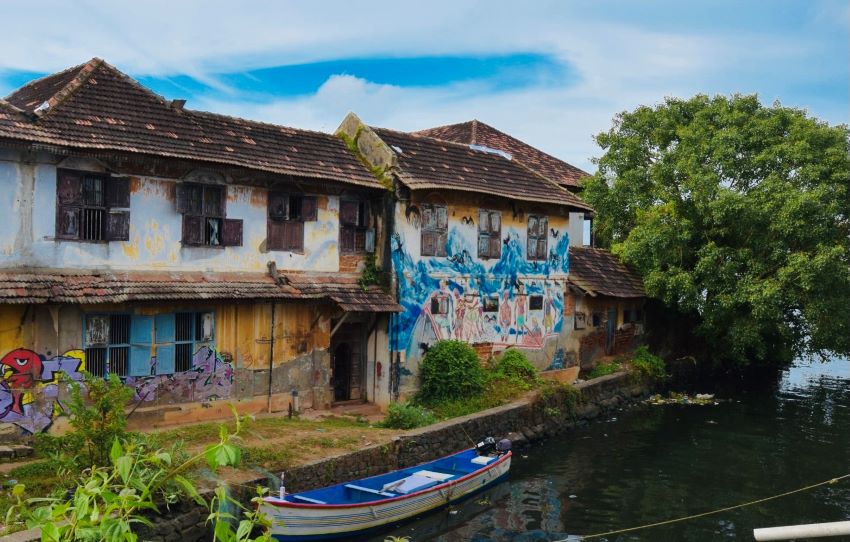
Walking through Kochi’s older neighbourhoods was like discovering different chapters of the city’s history. Some streets were filled with traditional shops selling spices and local products, while others featured old houses, places of worship and heritage buildings.
The atmosphere changed from one lane to another. I could smell freshly packed spices from small shops, hear conversations among local traders and see buildings reflecting the city’s diverse cultural influences. These details made the streets themselves an important part of my sightseeing experience.
Mattancherry brought Kochi’s spice history to life
Due to its relationship to Kochi’s commercial history, Mattancherry turned into one of the most fascinating locations I visited. The transportation of products, including spices, through the harbour has long been linked to the area.
I saw traditional stores, ancient buildings, and spice shops as I strolled through the district. The region’s trading history felt much more real thanks to the scent of pepper, cardamom, and other spices. I could see remnants of Kochi’s involvement in the spice trade while strolling around the city rather than just reading about it.
Fort Kochi connected old streets with everyday life
Another viewpoint on the history of the city was provided by Fort Kochi. Its streets brought together local businesses, churches, cafés, art galleries, and historic structures.
I liked to stroll from one attraction to another without hurrying. Small shops and cafés offered places to halt along the walk, and the antique architecture frequently drew my attention. Another identifiable aspect of the neighbourhood was the Chinese fishing nets by the waterfront.
My hotel in Kochi became a convenient base
Exploring Kochi’s historic places was made easy by selecting a well-located hotel. I could return to the hotel for a rest after exploring historic streets and marketplaces for a few hours.
Additionally, the location allowed me to spread out my sightseeing throughout the city rather than attempting to see everything in a single day. This allowed me more time to see the locations that caught my attention, especially the historic areas associated with Kochi’s commercial past.
Kochi’s spices continued into its local food
Naturally, I became interested in Kochi’s cuisine as well as its spices. Local dishes demonstrated how Kerala’s unique cuisine is influenced by ingredients like cardamom, pepper, and other spices.
I sampled traditional foods and observed how various spices affected their flavours and scents. I also had the chance to stop at neighbourhood eateries and cafés in between walks. Another method to comprehend the city’s relationship to its commercial history was through food.
The old Kochi streets stayed with me after sunset
As night fell, the historic districts took on a new appearance. The shoreline provided vistas of boats and Chinese fishing nets against the shifting sky, and the streets grew quieter.
These evenings allowed me to consider what I had observed during the day’s exploration of old roads, heritage buildings, and spice shops. Kochi felt multifaceted and unique because of its history, architecture, cuisine, and waterfront vibe.
Final thoughts
When I first arrived in Kochi, I thought my trip would be defined by its well-known landmarks. Rather, I learned about the city through its historic streets and the scent of spices.
I gained a deeper understanding of Kochi’s past and present by touring Mattancherry, strolling around Fort Kochi, visiting spice shops, observing historic buildings, and sampling regional cuisine. Selecting a hotel in a convenient location also facilitated leisurely exploration of these areas.
Kochi’s history encompasses more than just museums and monuments for visitors. It can also be found while eating a traditional meal, strolling past buildings that have experienced generations of change, in an old lane, or in a store full of spices.
About the Author


