Introduction & Background
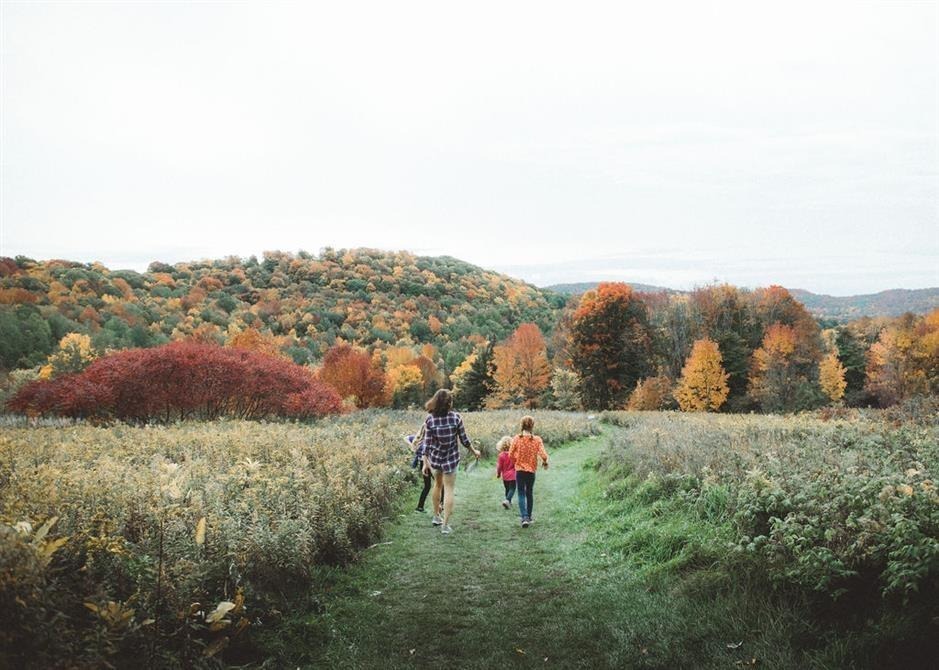
Travelers have long craved more than just popular destinations and crowded hotspots. The allure of untouched landscapes, secret pathways, and sun-bathed horizons has driven explorers to seek out the world’s most hidden treasures. From the golden dunes of the Sahara to the lush, untracked trails of Patagonia, these places offer more than just breathtaking views. They promise adventure, solitude, and a deeper connection with nature. As travel becomes more accessible, the real challenge lies in discovering spots that remain off the beaten path, where time slows down and the essence of true exploration comes alive.
Concept & Overview
The idea behind “sun-kissed sands and hidden trails” revolves around uncovering destinations that blend natural beauty with an element of mystery. These are places often overlooked by mainstream tourism, yet rich in culture, history, and unspoiled environments. The concept emphasizes both relaxation and adventure, where travelers can bask in the warmth of the sun while venturing into lesser-known paths that reveal the raw, unfiltered beauty of the world. It is about embracing slower travel, where the journey itself becomes as rewarding as the destination.
Key Features & Highlights
- Undiscovered Shorelines: Pristine beaches where footprints are scarce and the horizon stretches endlessly, such as the secluded coves of the Azores or the untouched islands of Raja Ampat in Indonesia.
- Secret Hiking Trails: Trails that wind through dense forests, over rugged mountains, or alongside cascading waterfalls, like the Cinque Terre’s hidden routes in Italy or the lesser-known paths of New Zealand’s Fiordland.
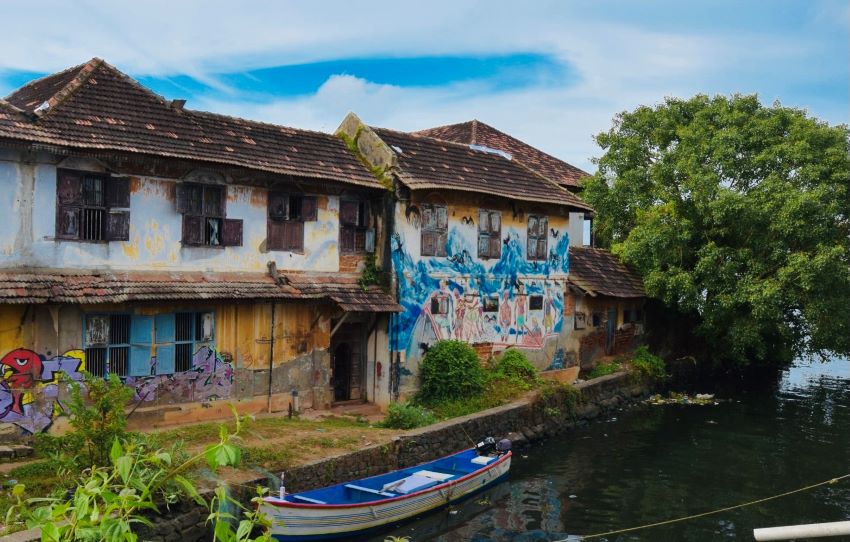
- Cultural Oases: Remote villages and indigenous communities that offer a glimpse into traditions preserved for centuries, such as the highland tribes of Ethiopia or the Aboriginal lands of Australia’s Northern Territory.
- Desert Expeditions: Vast, arid landscapes where the golden sands shift with the wind, revealing ancient ruins or modern-day wonders, including the Empty Quarter in Oman or the White Sands of New Mexico.
- Starlit Retreats: Locations far from city lights, where the night sky glows with stars, offering a serene escape like the Atacama Desert in Chile or the Scottish Highlands.
Frequently Asked Questions / Pros & Cons
What makes a travel destination truly “hidden”?
A hidden travel destination is typically one that is not widely promoted in travel guides or social media, often due to limited infrastructure, remoteness, or lack of commercial appeal. These places are usually less crowded, allowing travelers to experience authentic local life and unspoiled nature. Accessibility can be a challenge, but that is often part of their charm.
Are hidden trails safe for solo travelers?
Safety depends on the location and the traveler’s preparedness. Some hidden trails are well-trodden and safe for solo hikers, while others require proper research, local guides, or even permits. It is essential to assess the terrain, weather conditions, and local advice before embarking on such adventures. Joining guided tours or traveling with a companion is often recommended for less-explored routes.
Can I find luxury accommodations in these remote areas?
Many hidden gems now offer high-end eco-lodges, boutique hotels, or glamping sites that blend comfort with seclusion. For instance, luxury desert camps in Morocco or private island resorts in the Maldives provide exclusivity without sacrificing modern amenities. However, options may be limited compared to mainstream destinations, so booking in advance is crucial.
What are the pros and cons of visiting off-the-beaten-path locations?
Pros:
- Authentic cultural experiences and interactions with locals.
- Lower costs compared to highly touristed areas.
- Opportunities for solitude and personal reflection.
- Unique, Instagram-worthy moments that few others have experienced.
Cons:
- Limited access to modern conveniences like ATMs, hospitals, or reliable internet.
- Potential language barriers or cultural misunderstandings.
- Higher risk of unexpected challenges, such as transportation delays or natural hazards.
- Fewer entertainment or dining options compared to urban centers.
Practical Guidance & Solutions
Planning a trip to a hidden destination requires thoughtful preparation. Start by researching the best time to visit, as weather can significantly impact accessibility and comfort. Learn a few key phrases in the local language to facilitate smoother interactions, and always carry a basic first-aid kit and emergency supplies. Consider booking accommodations that support sustainable tourism, ensuring your visit benefits the local community without harming the environment.
For hiking or desert expeditions, invest in quality gear and consider hiring a local guide who knows the terrain well. Use offline maps and GPS devices, as signal can be unreliable in remote areas. Pack light but efficiently, prioritizing versatile clothing and essentials like water purification tablets. Finally, respect the natural and cultural heritage of the place by following leave-no-trace principles and adhering to local customs.
Conclusion
The world is brimming with sun-kissed sands and hidden trails waiting to be discovered. These places offer more than just a retreat from the ordinary. They provide a chance to reconnect with nature, immerse in diverse cultures, and create memories that transcend the typical travel experience. Whether it is the whisper of the wind through a desert canyon or the quiet footsteps on a secluded beach, the magic lies in the journey itself. So step off the well-worn path and let the world’s most unforgettable treasures reveal themselves to you. The adventure of a lifetime awaits.
About the Author